
Posts made by author 'Anthony Pozzi'
 RSS Feed
9
Midwest Hunting Land Guide: Navigating Nonresident Tags in MO, IL, KS, and IA
Owning a slice of the American Midwest is a dream for many hunters. The "Big Four"—Missouri, Illinois, Kansas, and Iowa—form the legendary heart of the Whitetail Golden Triangle. However, buying land is only half the battle; navigating the web of nonresident tag allocations is what actually puts meat in the freezer and antlers on the wall.
If you're looking to invest in hunting property, here is how these states stack up for nonresident landowners and their families.
The Landowner Advantage: Can You Actually Hunt Your Own Land?
While you might own the dirt, you don't own the deer. Each state has different rules for how a nonresident landowner (NRLO) can acquire tags.
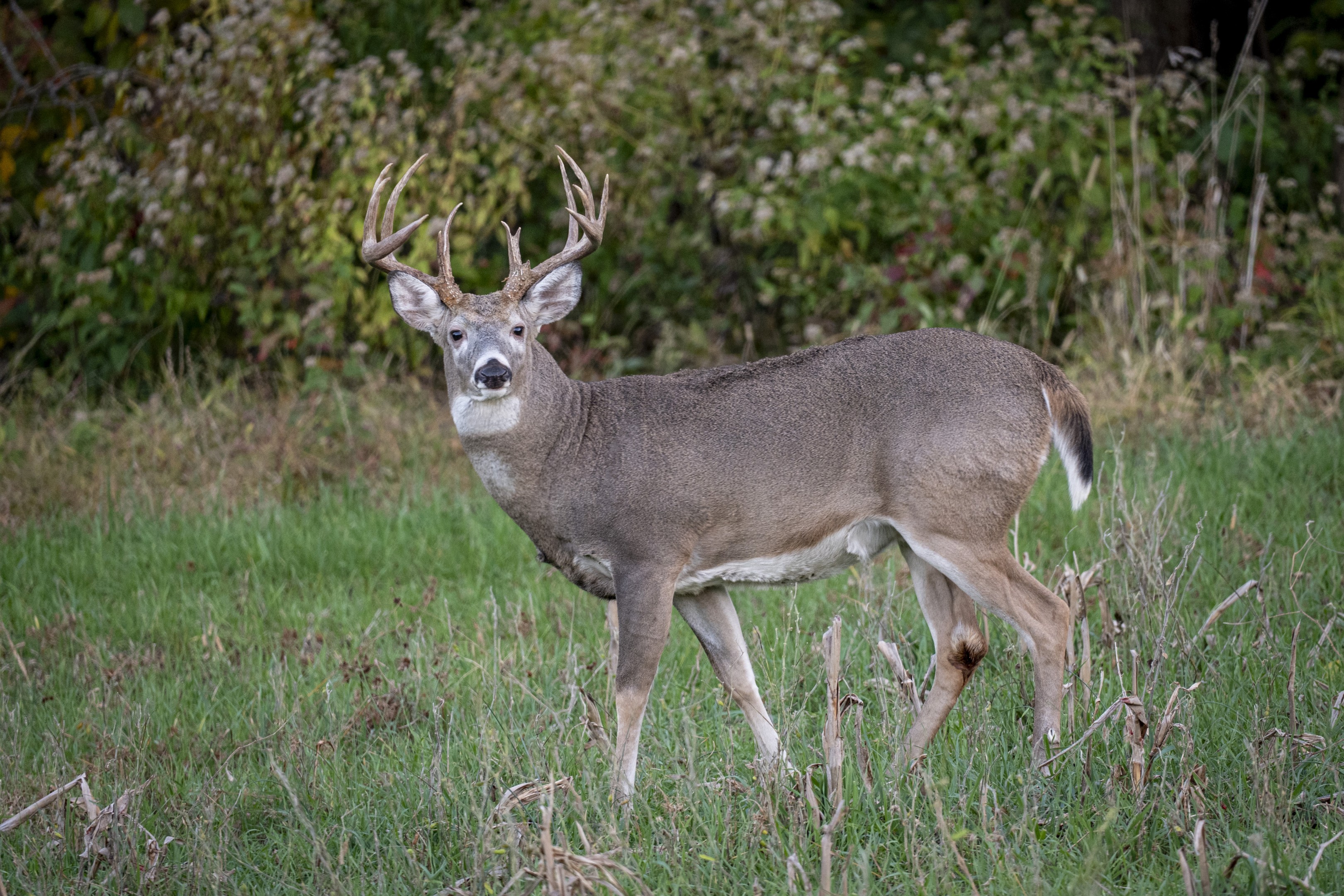
1. Missouri: The Crown Jewel for Landowners
Missouri is widely considered the most "landowner-friendly" state in the Midwest.
-
Ease of Access: If you are a nonresident landowner and own 75 contiguous acres or more, you qualify for nonresident landowner permits.
-
The Perk: You can purchase reduced-cost "Property-Only" tags for both deer and turkey. Unlike other states, there is no lottery draw for these—if you own the land and meet the acreage, you get the tags.
-
Cost: Nonresident landowner tags are significantly cheaper than standard nonresident tags.
2. Illinois: The Solid Runner-Up
Illinois offers a specialized Nonresident Landowner Program, but it requires more paperwork.
-
The Rules: You must own at least 40 acres to qualify.
-
The Tags: You can apply for one property-only deer combo (one either-sex, one antlerless) and turkey tags. These are "guaranteed" in the sense that they are not subject to the general lottery, but you must apply by a strict deadline (usually early September).
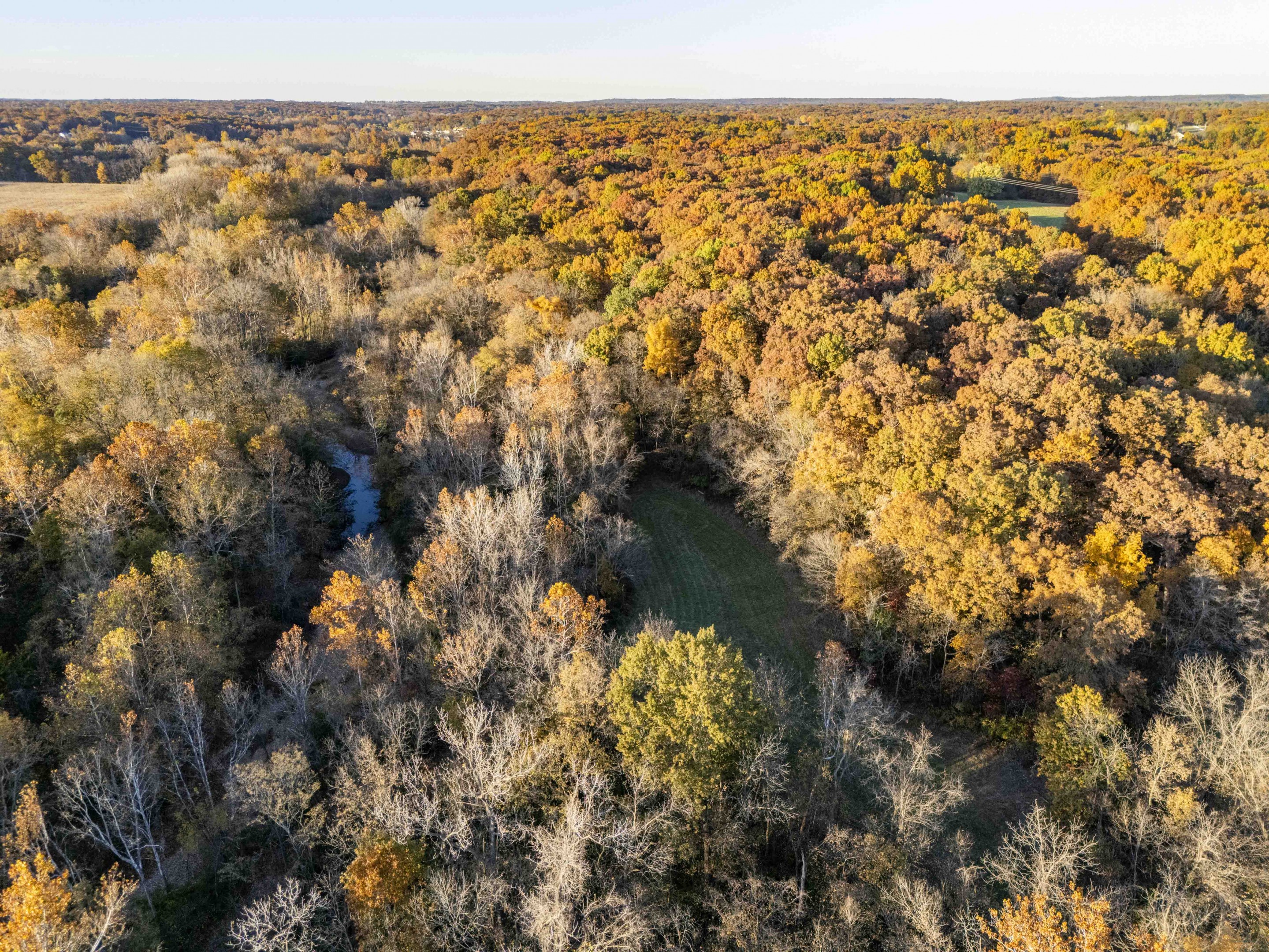
3. Kansas: The "Tenant" Twist
Kansas is a bit more restrictive for nonresident landowners.
-
The Rules: To get a "Hunt-On-Your-Own-Land" permit, you generally must own 80 acres or more.
-
The Catch: For nonresident owners, these tags are often tied to whether the land is "actively engaged in agricultural operation."
4. Iowa: The "Points" Game
Iowa is the toughest state for nonresidents. Even if you own 1,000 acres, Iowa does not offer guaranteed landowner tags to nonresidents. * The Reality: As a nonresident landowner, you must enter the same lottery as everyone else. It typically takes 3 to 5 years of "preference point" collecting to draw a single any-sex deer tag.
Bringing Friends and Family: What About Nonlandownering Nonresidents?
A common question is: "If I buy land, can my buddies or my brother hunt with me?"
-
Missouri: Immediate household members of a nonresident landowner (who own 75+ acres) can also get the reduced-cost landowner tags. However, "friends" or extended family living elsewhere must buy standard nonresident tags. Fortunately, Missouri's nonresident tags are over-the-counter and unlimited—making it the best place for a "hunt club" vibe with friends.
-
Illinois: Similar to Missouri, "immediate family" (spouse/children) can often qualify for the landowner permits. Friends will need to enter the nonresident lottery, which is generally reliable but costs upwards of $600+.
-
Kansas & Iowa: In Kansas, friends must enter a unit-specific draw. In Iowa, your friends better start buying preference points now; they won't be able to hunt with you for several years unless they are hunting does-only in specific seasons.
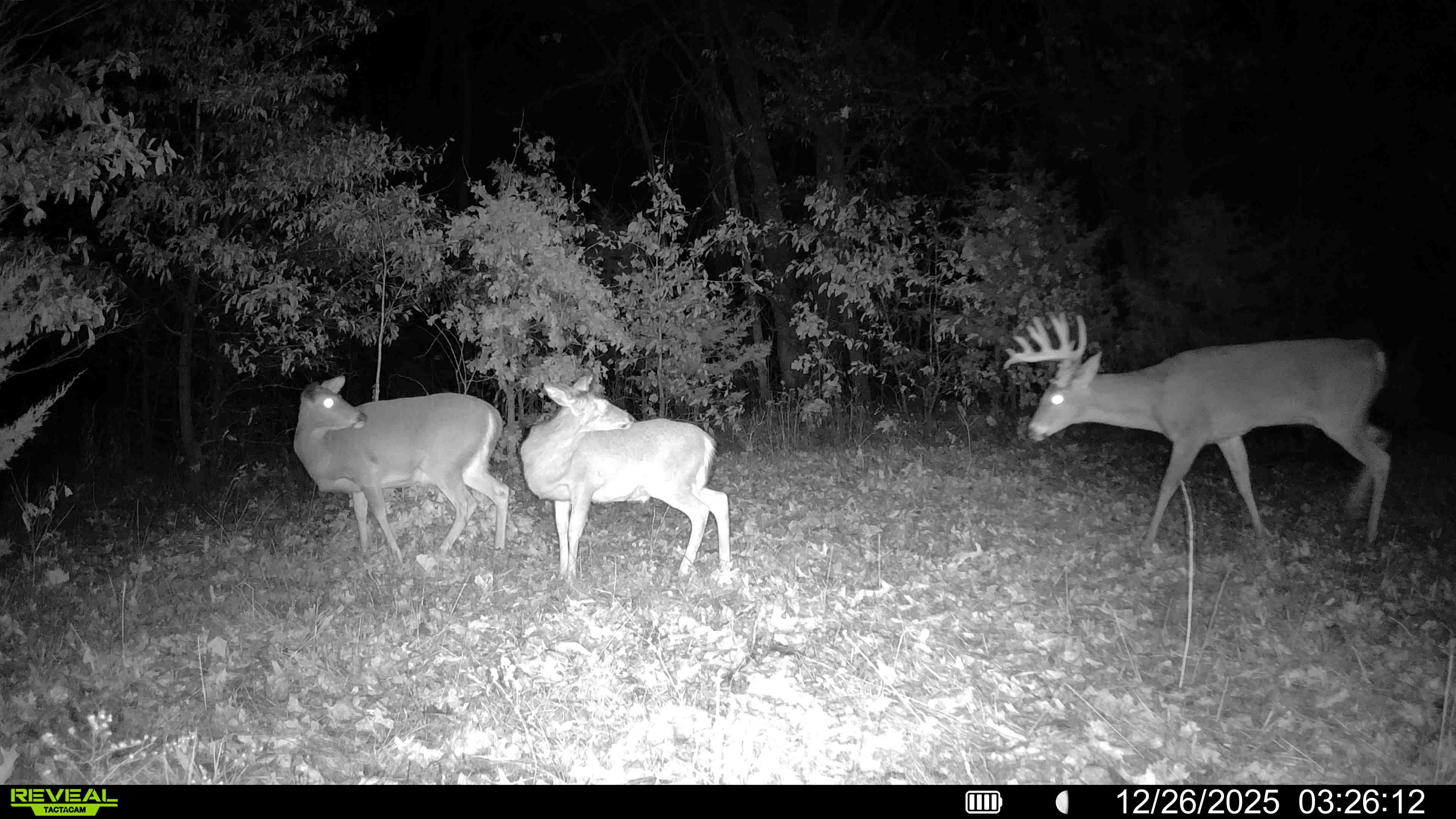
Why Missouri Often Wins
When you weigh the Ease of Tags vs. Cost vs. Land Quality, Missouri consistently comes out on top for the recreational buyer.
| Feature | Missouri | Illinois | Kansas | Iowa |
| NRLO Tag Access | Guaranteed (75+ acres) | Guaranteed (40+ acres) | Restricted (80+ acres) | None (Draw only) |
| Tag Cost | Lowest | High | High | Very High |
| Friends/Family Tags | Over-the-counter | Lottery (Reliable) | Lottery (Moderate) | Lottery (Hard) |
| Trophy Quality | Elite | World Class | World Class | World Class |
The Quality of the Hunt
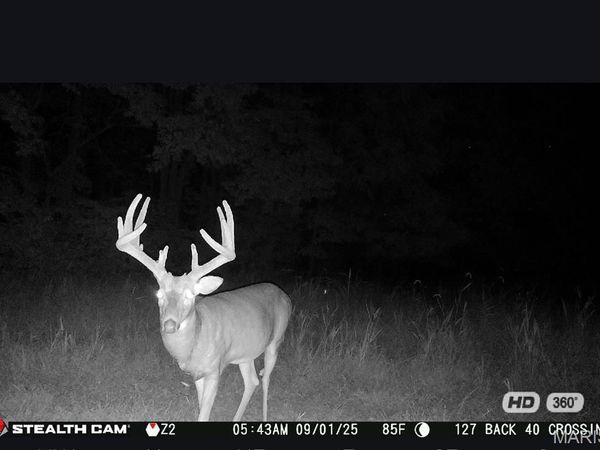
Don't let the ease of Missouri's tags fool you into thinking the hunting is "lesser." The habitat in Missouri is practically identical to their neighboring states of Kansas, Iowa and Illinois. You are hunting the same genetics and the same mineral-rich soil that produces 170"+ giants, but without the headache of a 4-year wait for a tag.
Ready to start your land search?
Call Anthony Pozzi - Land Specialist today 636-295-5302
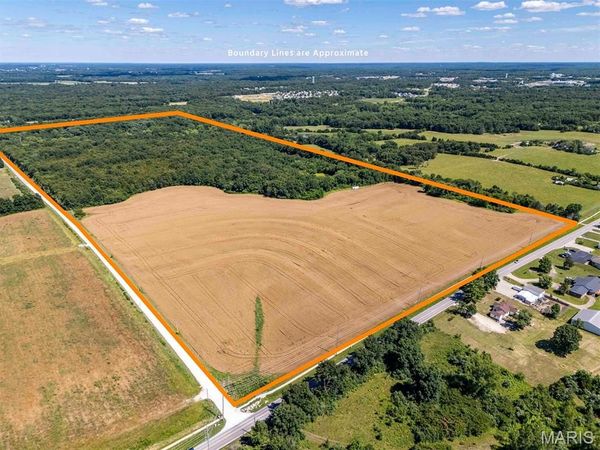
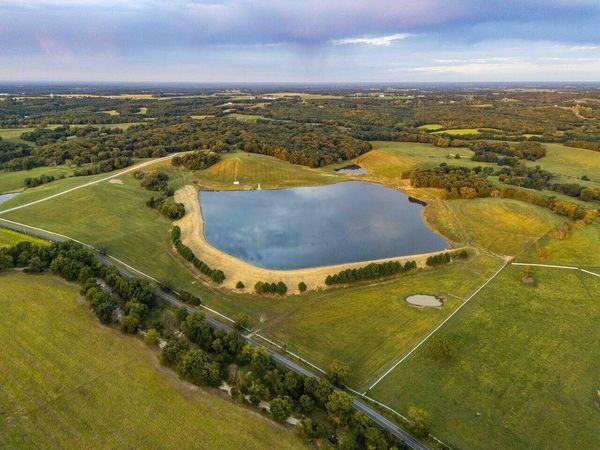
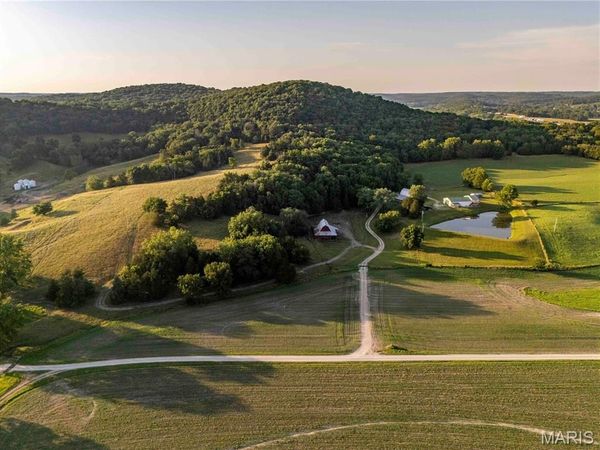
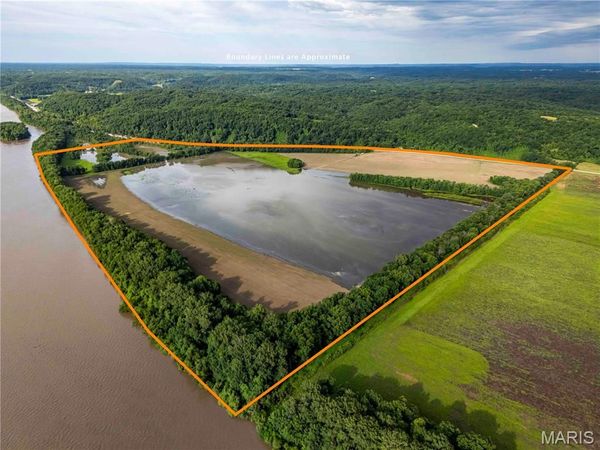
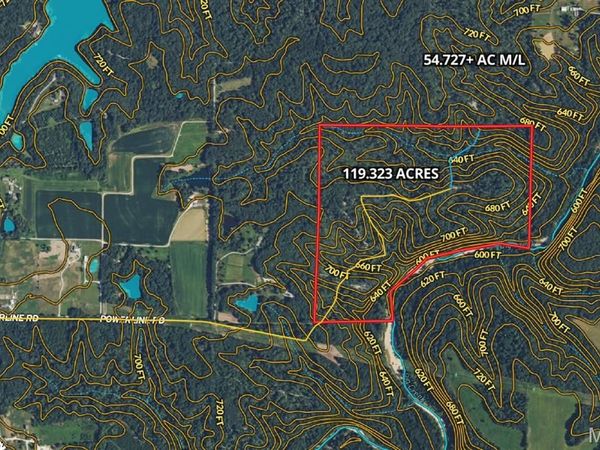
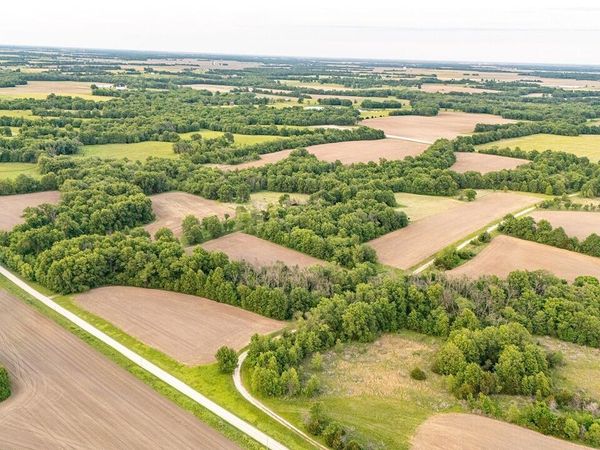
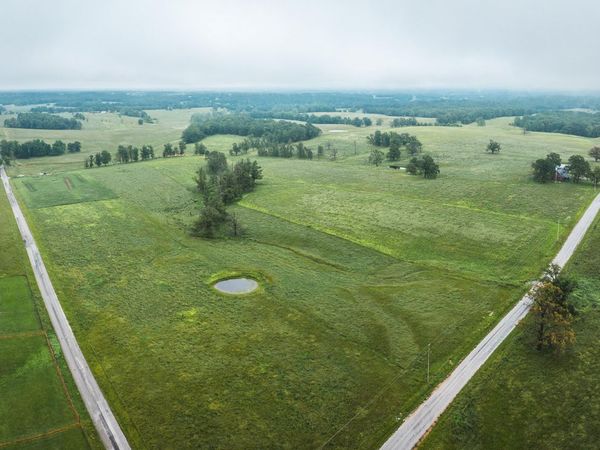
Deer Hunting Land in Missouri & Illinois
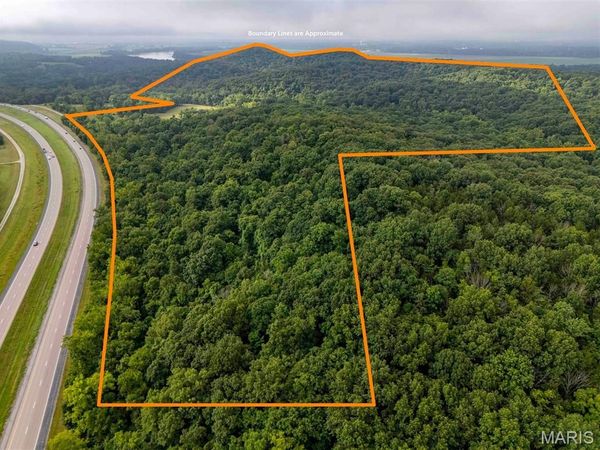

 Loading more properties...
Get Instant Alerts on New Listings
Be the first to know when properties that match your search hit the market.

26
Learn to Call Ducks with 9x World Champion Duck Caller Kent Cullum
When it comes to waterfowling, few names carry as much weight as Kent Cullum. A 9x World Champion duck caller and the mastermind behind Hobo Duck Calls, Kent has spent a lifetime perfecting the art of "talking duck."
In a recent masterclass, Kent broke down the fundamentals that separate the amateurs from the pros. Whether you're a beginner picking up your first call or a veteran looking to sharpen your routine, here is a blog guide based on Kent's championship-winning advice.
1. The Foundation: Grip and Mouth Placement
Most beginners overcomplicate the mechanics, but Kent keeps it simple. The way you hold the call dictates how the air escapes and resonates.
-
The Grip: Hold the call between your thumb and index finger. Your other fingers should wrap loosely around the end. Don't choke it; keep your hand open enough to let the sound breathe and flow naturally.
-
The "Soda Bottle" Seal: Instead of shoving the call into your mouth, rest it against your bottom lip as if you were taking a sip from a soda bottle. This creates a perfect seal, ensuring no air escapes the sides, which gives you maximum control over the reed.
2. Understanding Back Pressure
One of Kent's most technical tips involves back pressure. Hobo Duck Calls are designed to be easier to blow, but you still need to feel that resistance.
-
Why it matters: Back pressure allows the call to break easily from a high note to a low note.
-
The Test: If a call doesn't have enough natural back pressure, you'll find yourself working twice as hard to make it sound realistic. Kent's Hobo Duck Calls are engineered to provide that natural flow, making it easier to produce lifelike sounds with less lung strain.
3. The "Big Four" Hen Sounds
Kent doesn't just "quack"—he mimics specific personalities. He identifies four distinct types of hens that you'll hear on any refuge or field. Mastering these makes your spread sound like a living, breathing flock:
-
The Coarse Hen: A wide-open throat sound, raspy and bold.
-
The Fine Hen: A tighter, more refined sound that tapers off at the end.
-
The Lazy Hen: Drags out her notes, sounding relaxed and unhurried.
-
The Bouncing Hen: An excited hen that hits a few high notes and "bounces" them all the way down to the bottom.
Pro Tip: If a duck call can't produce a solid, realistic quack, it won't be able to handle the cadences of these four hens. Always start by perfecting your basic quack.
4. Reading the Ducks: "Let Them Tell You What to Do"
The biggest mistake hunters make is calling at the ducks rather than reacting to them. Kent emphasizes that the birds will dictate your volume and tempo.
-
The Highball: Use this when ducks are at a distance to grab their attention.
-
The Transition: As they get closer, transition into "happy quacks" or feed chuckles.
-
The Finish: Once they are "in the hole" and making their final pass, keep it soft and subtle.
-
Observation is Key: Watch their wing beats. If they veer away, change your strategy. If they're coming in hard, don't over-call and risk blowing them out.
5. Practice with a Purpose
Kent's success didn't come by accident. He stresses the importance of "Practicing with a Purpose." Don't just make noise in your truck; listen to recordings of real ducks and try to match their specific tone and cadence.
Final Thoughts
Duck calling is a mix of science and soul. By focusing on your grip, understanding air pressure, and learning to speak the "four hen languages," you'll be well on your way to a more successful season. As Kent says, the goal isn't just to make noise—it's to sound so realistic that the ducks have no choice but to join the party.
Ready to buy or sell a piece of duck hunting land? Call Anthony Pozzi today! 636-295-5302
14
The Heart of the Flyway: Why Missouri and Illinois Are the Ultimate Duck Hunting Investments
The Heart of the Flyway: Why Missouri and Illinois Are the Ultimate Duck Hunting Investments
As a waterfowl specialist, I'm often asked, "Anthony, if you could buy 100 acres anywhere for ducks, where would it be?" While there are great pockets of wingshooting across the country, my answer almost always lands on the Central Mississippi Flyway—specifically right here in Missouri and Illinois.
At Trophy Properties and Auction, we don't just sell dirt; we sell the "north wind" experience. If you are looking to secure a legacy property that holds birds and builds equity, here is why these two states are the premier destination for waterfowl land.