
Posts in category 'Uncategorized'
 RSS Feed
20
How to Break Down a Turkey Breast the Right Way
Wild turkey gets a bad reputation it doesn't deserve. Ask most people who've eaten it and they'll tell you the same thing — it was tough, stringy, chewy. And they're not wrong about their experience. But the problem almost never starts in the kitchen. It starts at the processing table, and it has a name: silver skin.
A turkey breast is made up of several distinct muscle groups separated by fascia and connective tissue. Leave that stuff in, and it doesn't matter how good your recipe is — someone at the table is going to hit a chewy bite and decide wild turkey isn't for them. Take the time to break it down properly first, and what you're left with is clean, tender meat that holds up to any preparation you want to throw at it.
Here's how to do it.
What You're Working With
Before you start cuttin...
10
Spring Turkey Season Opener: A Midwest Hunter's State-by-State Breakdown
Spring turkey season doesn't sneak up on you. It builds. The days get longer, the timber starts to green up, and somewhere in the back of your head you start doing the math on how many weeks until opening morning. If you're hunting the Midwest this spring — or trying to find the right piece of ground to hunt — here's what you need to know about when seasons open and what actually matters when you get there.
Missouri
Missouri is legitimate turkey country. Strong populations, diverse habitat, and a long history of serious spring gobbler hunting make it a destination state for hunters who know what they're looking for. The 2026 season opens with youth weekend on April 11–12, followed by the regular season running April 20 through May 10.
Public ground exists, and some of it hunts well. But private land is where the real opportunity lives....
3
Turkey Calling Masterclass with Billy Yargus
Spring Turkey Calling Masterclass: Lessons from a Champion
Turkey hunting will humble you in a lot of ways, but nothing stings quite like working a fired-up gobbler for forty-five minutes and watching him walk the other direction. Most of the time, that's a calling problem — not a gear problem, not a location problem. A calling problem.
We sat down with a 3-time NWTF champion caller to talk through what separates hunters who consistently kill birds from the ones who consistently don't. The answer isn't volume. It isn't an expensive slate call. It's understanding that calling is communication — and communication is situational.
Calling Isn't Just Sound — It's Strategy
The single biggest takeaway from this session is that effective calling is situational. A sequence that pulls a bird at a dead run on opening morning in Mi...
30
Spring Turkey Prep: Getting Your Property Ready
Spring is Here - A Serious Hunter's Guide to Chasing Midwestern Gobblers
There's a moment in early April, somewhere between the last hard freeze and the first green tinge on the hillsides, when a gobble rips through the timber at first light and something primal fires in your chest. It doesn't matter how many springs you've done this. That sound does something to a person that's hard to explain to anyone who hasn't heard it while crouched against a white oak in the dark, shotgun across their knees, palms sweating in forty-degree air.
Eastern wild turkeys are one of the great hunting animals in North America. Not because they're the biggest or the most dangerous, but because they will humble you in ways that deer and ducks simply cannot. A mature gobbler has survived multiple hunting seasons by being suspicious of everything. He's spent his whole life eating and avoiding being eaten, and h...
9
Midwest Hunting Land Guide: Navigating Nonresident Tags in MO, IL, KS, and IA
Owning a slice of the American Midwest is a dream for many hunters. The "Big Four"—Missouri, Illinois, Kansas, and Iowa—form the legendary heart of the Whitetail Golden Triangle. However, buying land is only half the battle; navigating the web of nonresident tag allocations is what actually puts meat in the freezer and antlers on the wall.
If you're looking to invest in hunting property, here is how these states stack up for nonresident landowners and their families.
The Landowner Advantage: Can You Actually Hunt Your Own Land?
While you might own the dirt, you don't own the deer. Each state has different rules for how a nonresident landowner (NRLO) can acquire tags.
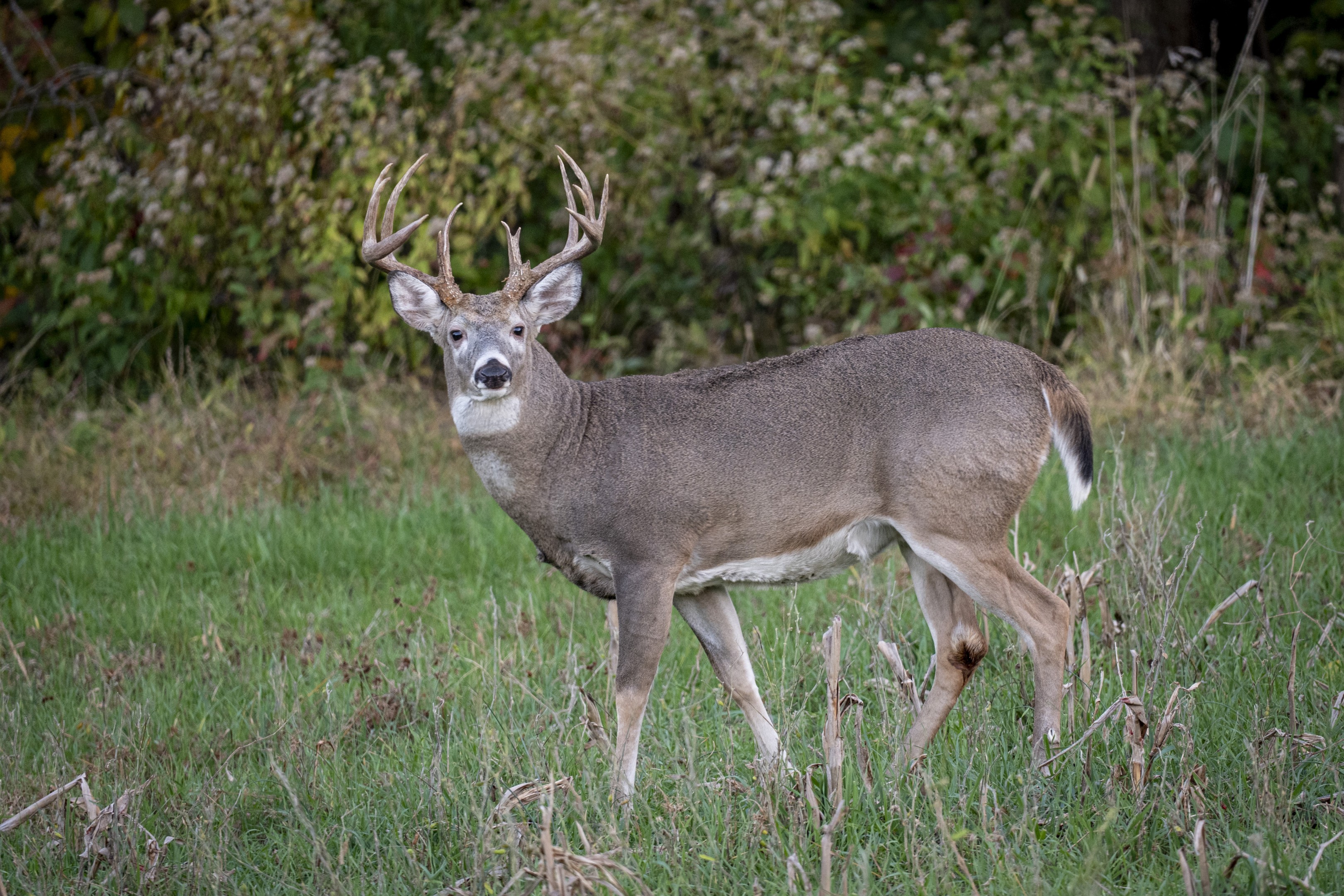
1. Missouri: The Crown Jewel for Landowners
Missouri is widely considered the most "landowner-friendly" state in the Midwest.
-
Ease of Access: If you are a nonresident landowner and own 75 contiguous acres or more, you qualify for nonresident landowner permits.
-
The Perk: You can purchase reduced-cost "Property-Only" tags for both deer and turkey. Unlike other states, there is no lottery draw for these—if you own the land and meet the acreage, you get the tags.
-
Cost: Nonresident landowner tags are significantly cheaper than standard nonresident tags.
2. Illinois: The Solid Runner-Up
Illinois offers a specialized Nonresident Landowner Program, but it requires more paperwork.
-
The Rules: You must own at least 40 acres to qualify.
-
The Tags: You can apply for one property-only deer combo (one either-sex, one antlerless) and turkey tags. These are "guaranteed" in the sense that they are not subject to the general lottery, but you must apply by a strict deadline (usually early September).
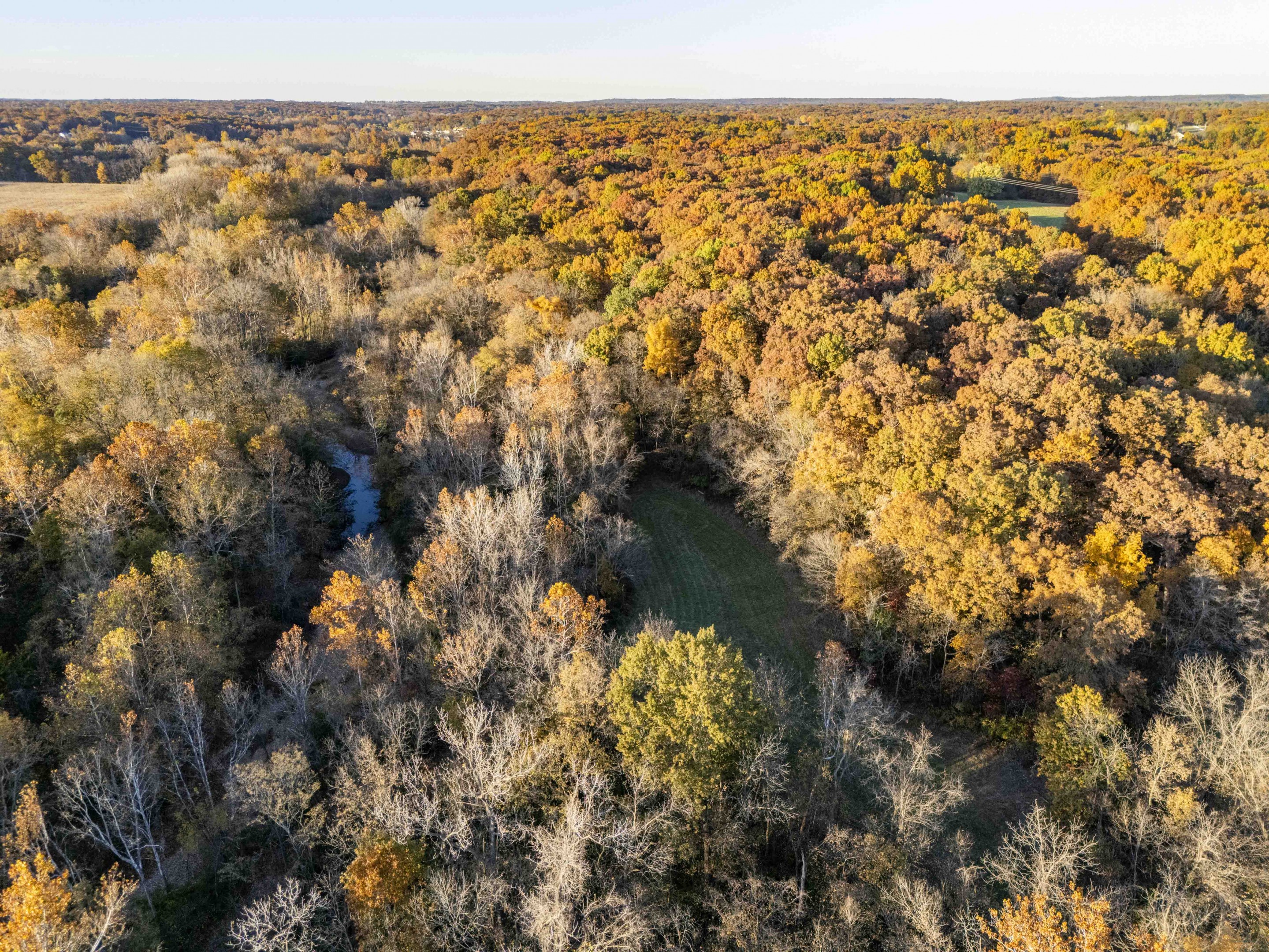
3. Kansas: The "Tenant" Twist
Kansas is a bit more restrictive for nonresident landowners.
-
The Rules: To get a "Hunt-On-Your-Own-Land" permit, you generally must own 80 acres or more.
-
The Catch: For nonresident owners, these tags are often tied to whether the land is "actively engaged in agricultural operation."
4. Iowa: The "Points" Game
Iowa is the toughest state for nonresidents. Even if you own 1,000 acres, Iowa does not offer guaranteed landowner tags to nonresidents. * The Reality: As a nonresident landowner, you must enter the same lottery as everyone else. It typically takes 3 to 5 years of "preference point" collecting to draw a single any-sex deer tag.
Bringing Friends and Family: What About Nonlandownering Nonresidents?
A common question is: "If I buy land, can my buddies or my brother hunt with me?"
-
Missouri: Immediate household members of a nonresident landowner (who own 75+ acres) can also get the reduced-cost landowner tags. However, "friends" or extended family living elsewhere must buy standard nonresident tags. Fortunately, Missouri's nonresident tags are over-the-counter and unlimited—making it the best place for a "hunt club" vibe with friends.
-
Illinois: Similar to Missouri, "immediate family" (spouse/children) can often qualify for the landowner permits. Friends will need to enter the nonresident lottery, which is generally reliable but costs upwards of $600+.
-
Kansas & Iowa: In Kansas, friends must enter a unit-specific draw. In Iowa, your friends better start buying preference points now; they won't be able to hunt with you for several years unless they are hunting does-only in specific seasons.
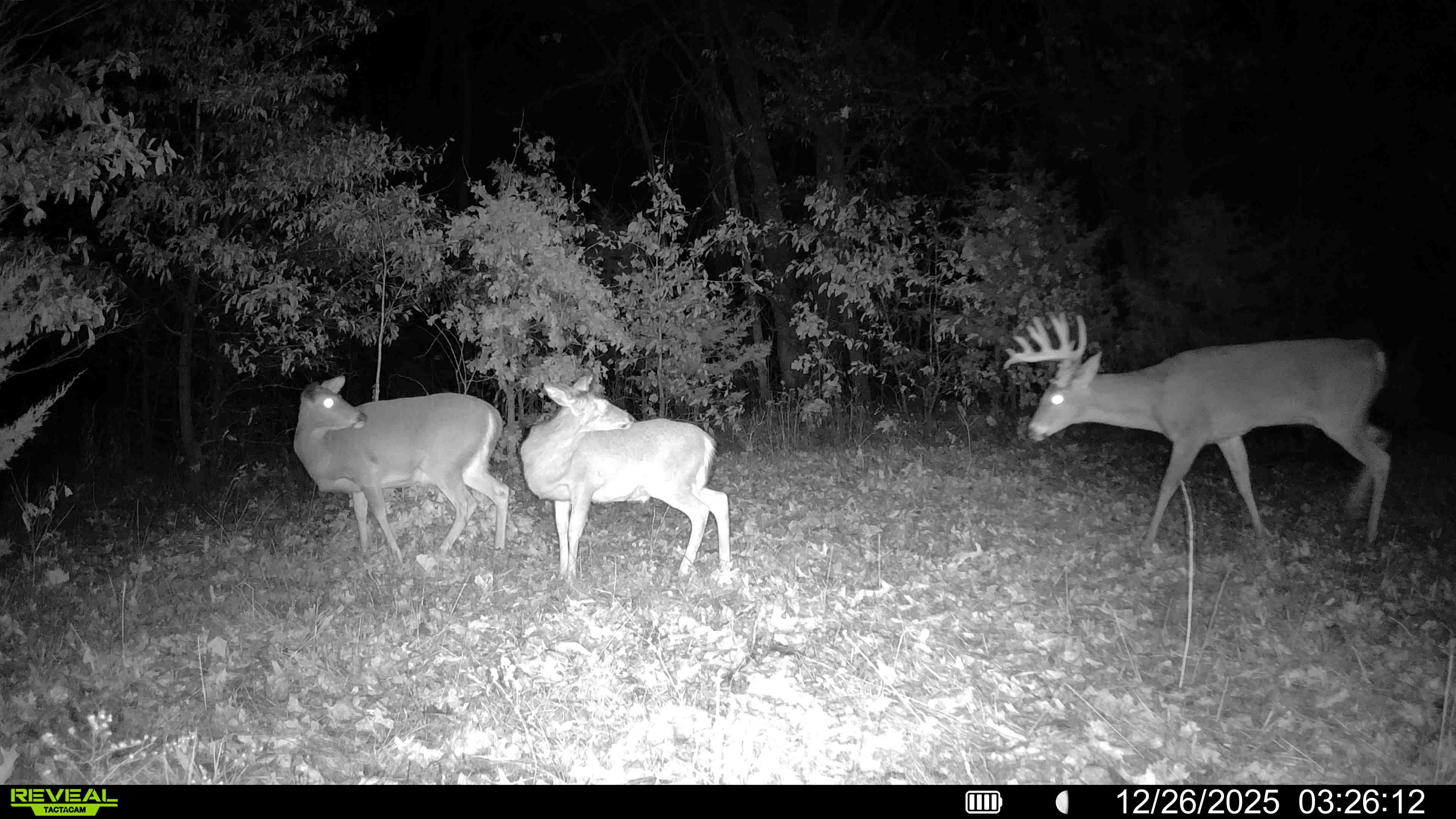
Why Missouri Often Wins
When you weigh the Ease of Tags vs. Cost vs. Land Quality, Missouri consistently comes out on top for the recreational buyer.
| Feature | Missouri | Illinois | Kansas | Iowa |
| NRLO Tag Access | Guaranteed (75+ acres) | Guaranteed (40+ acres) | Restricted (80+ acres) | None (Draw only) |
| Tag Cost | Lowest | High | High | Very High |
| Friends/Family Tags | Over-the-counter | Lottery (Reliable) | Lottery (Moderate) | Lottery (Hard) |
| Trophy Quality | Elite | World Class | World Class | World Class |
The Quality of the Hunt
Don't let the ease of Missouri's tags fool you into thinking the hunting is "lesser." The habitat in Missouri is practically identical to their neighboring states of Kansas, Iowa and Illinois. You are hunting the same genetics and the same mineral-rich soil that produces 170"+ giants, but without the headache of a 4-year wait for a tag.
Ready to start your land search?
Call Anthony Pozzi - Land Specialist today 636-295-5302
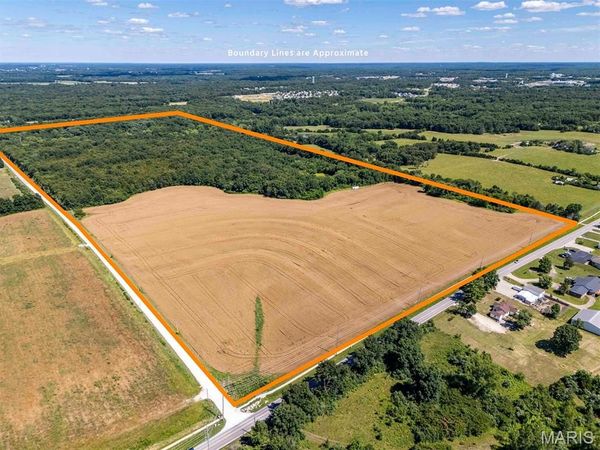
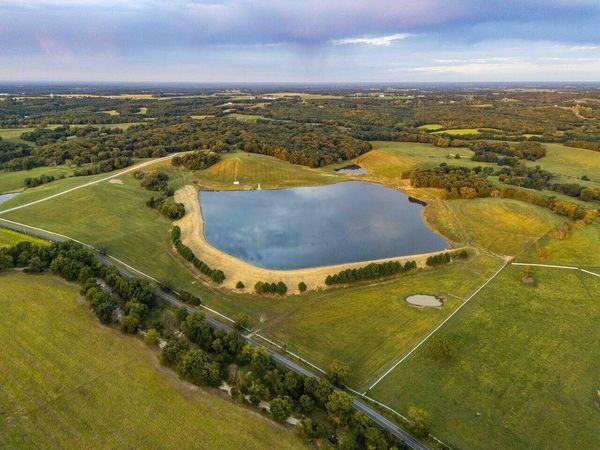
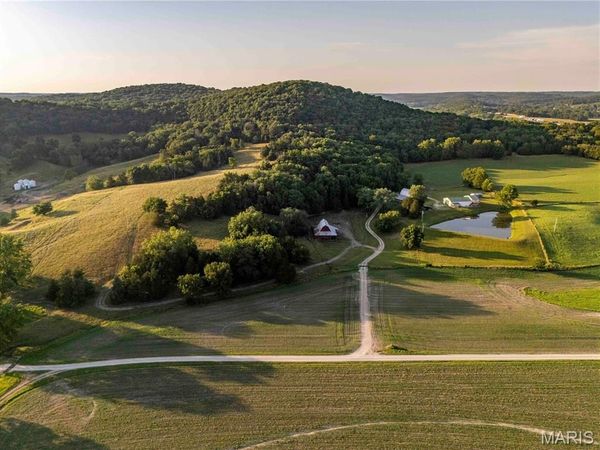
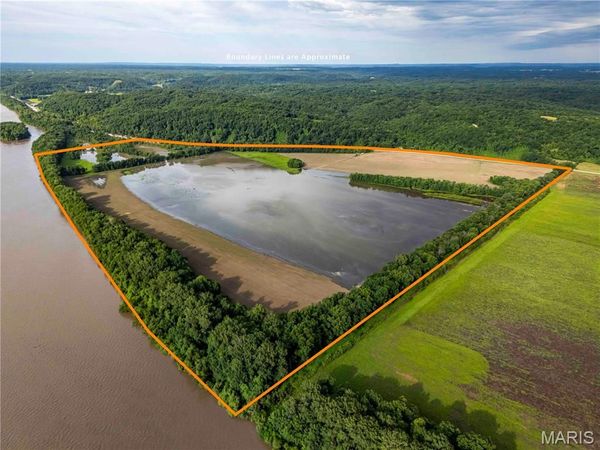
Deer Hunting Land in Missouri & Illinois
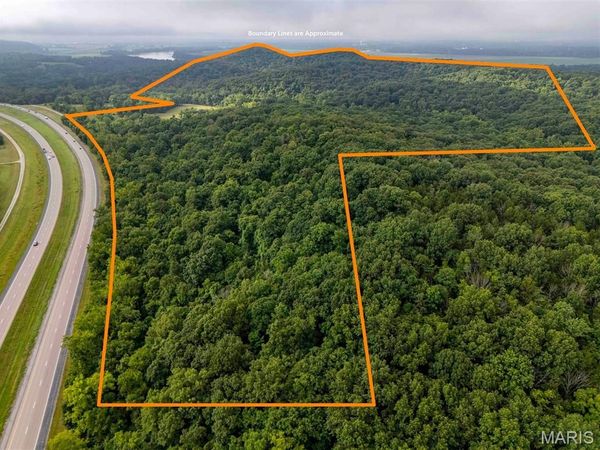

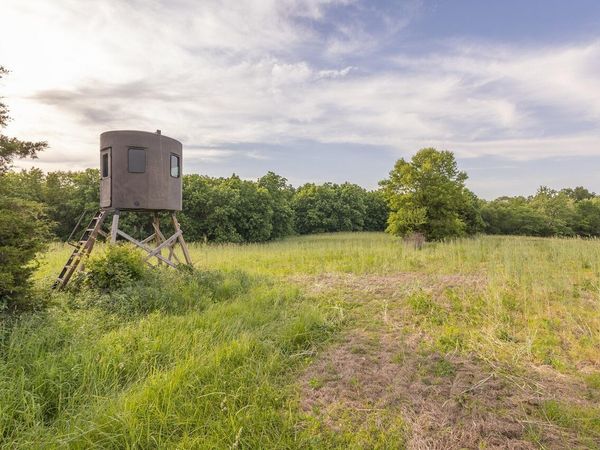
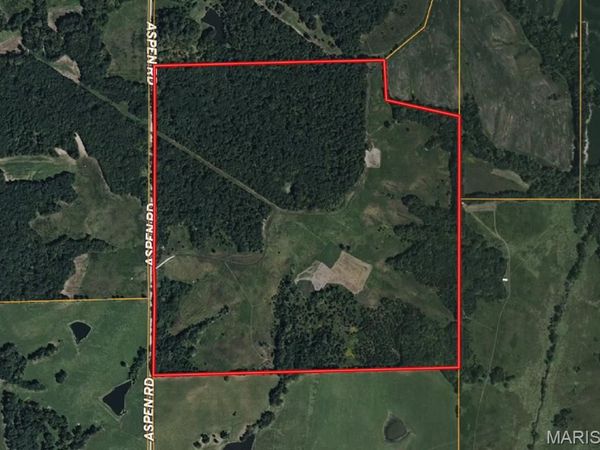
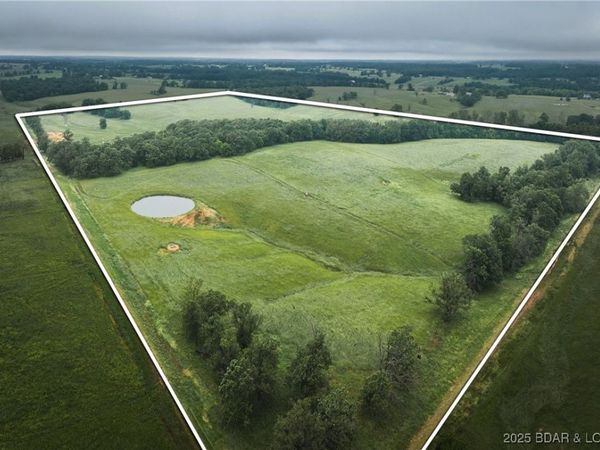
 Loading more properties...
Get Instant Alerts on New Listings
Be the first to know when properties that match your search hit the market.